Everything About Bulk Plastic Containers: Advantages, Applications, and Sector Insights
Bulk plastic containers play a substantial role in different industries, providing benefits that improve efficiency and sustainability. Their lightweight nature reduces delivery costs, while their toughness warranties safe storage and transportation of varied products. As companies significantly look for eco-friendly services, the demand for these containers is growing. This elevates essential inquiries regarding the materials made use of and the trends influencing their layout. What ramifications do these factors have for the future of mass plastic containers?
Advantages of Mass Plastic Containers
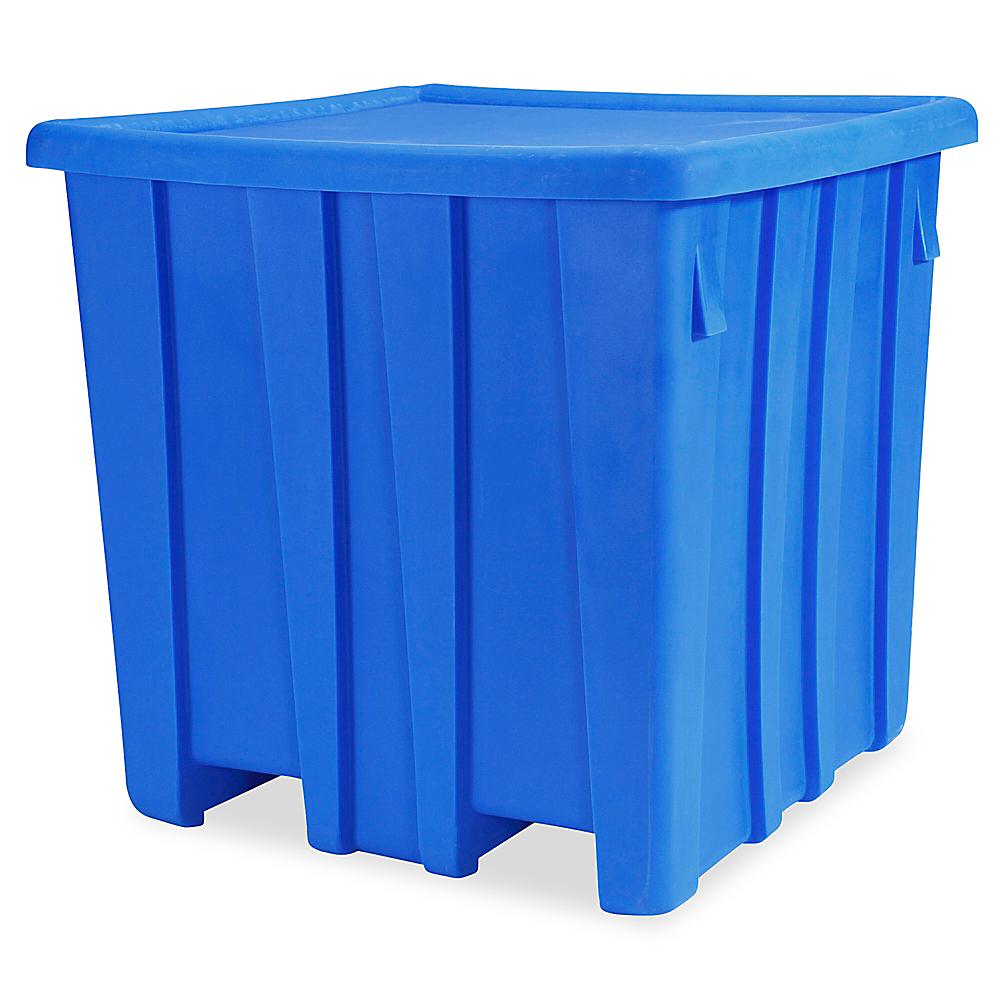
Mass plastic containers provide a wide range of benefits in various industries. Their lightweight design notably reduces transportation expenses, permitting for reliable logistics and simpler handling. In addition, these containers give longevity and resistance to weather elements, chemicals, and physical effect, guaranteeing the safe storage and transport of items. The versatility of mass plastic containers permits them to be formed into numerous sizes and shapes, catering to particular market needs.
Typical Applications Across Industries
While various sectors utilize bulk plastic containers, their applications are especially prominent in sectors such as food and beverage, drugs, farming, and manufacturing. In the food and beverage sector, these containers are crucial for saving and moving products like grains, fluids, and prepared meals, guaranteeing quality and security. The pharmaceutical sector relies on mass plastic containers for safe storage of medicines and vaccines, maintaining compliance with stringent regulations.
In farming, these containers facilitate effective handling and transport of fruit and vegetables, fertilizers, and chemicals, while also sustaining sustainable practices via recyclability. Production industries utilize bulk plastic containers for components storage space and production line operations, promoting organization and process performance. Additionally, these containers serve a substantial role in logistics and supply chain monitoring, streamlining the activity of products throughout various markets. In general, the convenience of bulk plastic containers makes them essential across numerous sectors.
Material and Layout Factors To Consider
When picking bulk plastic containers, product and design factors to consider play a necessary duty in making sure functionality and compliance with market standards. The choice of product greatly influences the container's durability, weight ability, and resistance to ecological aspects. Usual products include high-density polyethylene (HDPE) and polypropylene, understood for their strength and chemical resistance.
Design aspects, such as closure, size, and form devices, likewise influence functionality. Containers with ergonomic handles and stackable styles improve storage space efficiency and simplicity of transportation. In addition, functions like venting or water drainage holes might be needed for specific applications, enabling for air blood circulation or liquid elimination.
Compliance with safety and security policies, such as FDA approvals for food-grade applications, is important. Bulk Plastic Containers. On the whole, cautious factor to consider of materials and layout can enhance performance and durability, guaranteeing that mass plastic containers fulfill the diverse demands of numerous sectors efficiently
Trends in Bulk Plastic Container Usage
As industries progress, the usage of mass plastic containers is significantly affected by sustainability and efficiency. Firms are selecting environmentally friendly materials, such as recycled plastics, to reduce ecological impact while keeping resilience. This change is driven by customer demand for sustainable practices and regulatory stress aimed at minimizing plastic waste.
The pattern towards automation Bonuses in logistics and supply chain administration is improving container styles. Bulk containers are currently being engineered for compatibility with automated systems, boosting operational efficiency. Light-weight styles are additionally acquiring traction, as they minimize shipping prices and energy usage throughout transportation.
On top of that, customization is becoming a prime focus, permitting businesses to customize containers to details demands, thereby maximizing space and performance. These trends reflect a broader dedication to sustainability, innovation, and effectiveness within various markets, guaranteeing that mass plastic containers remain to play an essential function in modern supply chains.
Best Practices for Storage and Transport
Efficient storage space and transport of mass plastic containers need adherence to best practices that boost safety and security and effectiveness. Containers ought to be piled safely, assuring that weight is uniformly dispersed to prevent tipping or damages. Using pallets can assist in much easier motion and protect the containers from ground wetness. Furthermore, proper labeling is important for quick identification and monitoring throughout transportation.
Temperature control is another essential factor; extremes can endanger the stability of the materials. It is recommended to store containers in a climate-controlled atmosphere when necessary. For transportation, picking proper automobiles designed for bulk loads warranties stability and minimizes danger during transportation.
Regular inspections of containers prior to storage space and transport help recognize any wear or damages, enabling for timely upkeep or replacement. By complying with these go to the website finest methods, companies can maximize the lifecycle of mass plastic containers while maintaining operational effectiveness.
Often Asked Questions

Are Bulk Plastic Containers Recyclable After Use?
Yes, bulk plastic containers are often recyclable after usage. Recyclability depends on the material kind and neighborhood recycling programs. Correct cleansing and sorting are necessary to guarantee they are accepted by recycling centers.

What Is the Life Expectancy of Bulk Plastic Containers?
The life expectancy of bulk plastic containers commonly varies from five to 10 years, depending upon use conditions, material quality, and environmental elements. Bulk Plastic Containers. Correct upkeep can prolong their toughness, making them a resilient storage option
Can Bulk Plastic Containers Be Personalized?
Yes, bulk plastic containers can be customized. Producers commonly use choices for size, color, branding, and product, allowing services to tailor containers to their details requirements and boost their item presentation and capability.
Just How Do Bulk Plastic Containers Contrast in Expense to Alternatives?
Mass plastic containers generally offer a reduced price contrasted to alternatives like steel or glass, because of their lightweight nature and toughness. This makes them an economical option for organizations requiring effective storage space services.
Exist Safety And Security Regulations for Making Use Of Bulk Plastic Containers?

Bulk plastic containers play a considerable role in various markets, offering advantages that enhance effectiveness and sustainability. While various markets use bulk plastic containers, their applications are particularly noticeable in sectors such as food and drink, drugs, farming, and production. Production markets make use of bulk plastic containers for parts storage and setting up line procedures, advertising company and workflow effectiveness. When picking bulk plastic containers, product and layout considerations play an important role in making sure performance and compliance with industry requirements. As industries develop, the usage of mass plastic containers is significantly affected by sustainability and efficiency.